How to Play Verde
The core rules behind cozy growth in Dewdrop Valley.
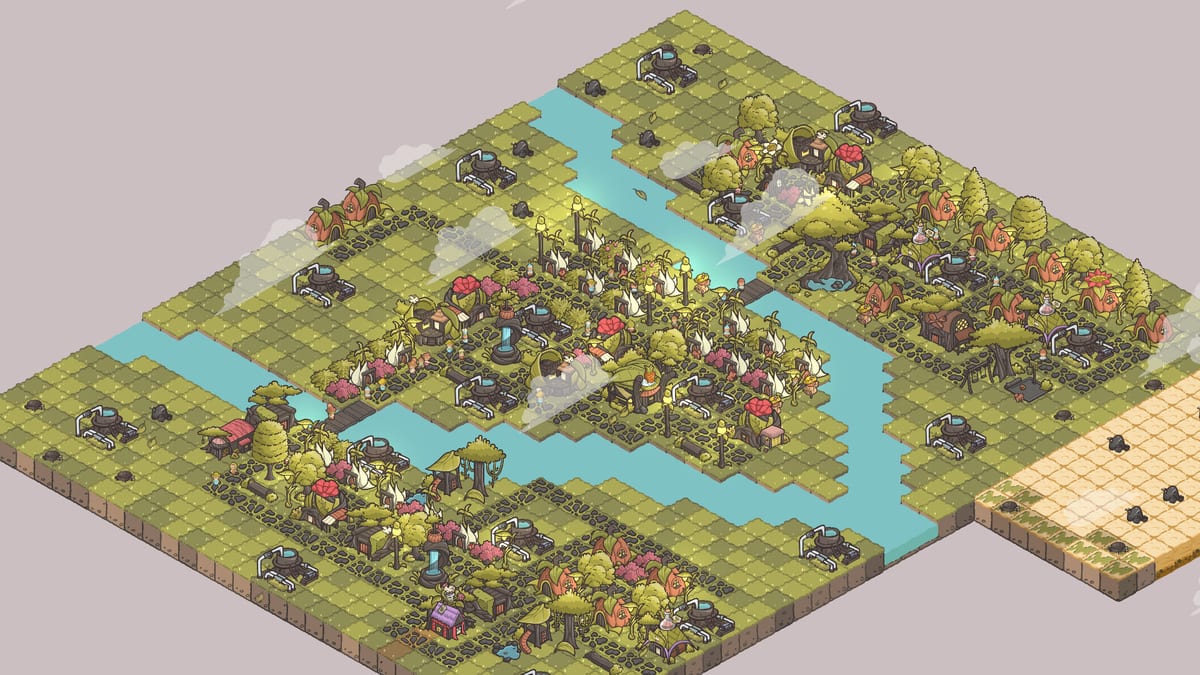
Verde plays like a gentle city builder: you restore gardens, house Seedlets, fulfill neighborhood demands, and expand into new biomes without punishing micromanagement. This page explains the durable rules that stay relevant from the demo through the full campaign and sandbox modes.
New players should still read Getting Started in Verde for the first-session route. This article focuses on the systems you will reuse for dozens of minutes: happiness, Leaves, build categories, quests, and region shifts.
The core loop
- Build housing so Seedlets can live in the garden.
- Cover demands — water, nutrition, goods, social spaces, and decoration appeal.
- Raise happiness so Seedlets generate more Leaves.
- Spend Leaves on services, cosmetics, and land expansions.
- Unlock new blueprints and eventually new regions with extra environmental needs.
Because the game emphasizes beauty and comfort, “good enough coverage” often beats razor-thin optimization. Still, understanding capacity and heat maps prevents softlocks when a quest asks for 50% or 80% happiness.
Housing and population
Small houses fit a few Seedlets; medium houses appear later and occupy more tiles. Population goals in quests push you to mix house sizes instead of spamming only the cheapest option. Always check resident counts on a house panel. Empty homes usually mean missing water or unmet lifestyle demands rather than a broken save.
For creature-focused detail, open Seedlets Overview and Seedlets Care.
Demand categories
Demo and early campaign menus group buildings into practical categories such as Housing, Utility, Decoration, Nutrition, Goods, Social, and Special. Typical pairings include:
- Utility water distributors for green tiles and water supply.
- Nutrition markets, cafes, and later restaurants.
- Goods flower shops and related specialty stores.
- Social fountains, parks, playgrounds, and benches.
- Decoration bushes, lamps, paths, wells, scarecrows, statues, and flower beds.
Some biomes add environmental needs. The tropical beach region expects cooling from misting fans in addition to water. Snowy or comfort-focused areas in the full game can ask for fans or similar comfort structures. Read Unlock Regions before you buy unfamiliar land.
Heat maps and stalled quests
The magnifying glass heat map is your diagnostic tool. If a quest demands happiness or decoration points and nothing happens after you place one bush, inspect the layers:
- Water green but nutrition red → add or redistribute markets and cafes.
- Services green but decoration red → add paths, lamps, trees, and flower beds.
- One house red while neighbors are fine → capacity or awkward overlap, not a missing category.
Leaves economy
Leaves are the spendable resource for clearing debris, constructing buildings, and buying expansions. You earn them by growing a happier, more populated town. A common stall happens when players buy three expensive land parcels before fixing service capacity; the new dirt stays empty, happiness dips, and Leaf income slows. Prefer “serve what you already built” before “buy the entire border.”
Quests and the mailbox
Quest tracking sits in the mailbox style UI at the top of the screen. Mainline tasks often wear a stronger marker, while optional thought-bubble style goals hand out decoration blueprints and side rewards. Pinning helps once multiple objectives overlap. Claiming rewards promptly matters because many blueprints only appear after you collect the previous quest package.
Customization as gameplay, not only cosmetics
Click a building and use the paintbrush to swap parts and colors. Even utility and social buildings can receive alternate looks, which keeps dense districts readable. Presets help once you settle on a street style. Full guidance is in Building Customization.
Modes: campaign versus sandbox
The campaign teaches systems through story-framed garden restoration. Sandbox is for replaying the creative fantasy without the same narrative rails. Strategy for each mode is split across the Campaign Walkthrough and Sandbox Mode pages.
Practical session plan
- Minutes 0–15: houses, water, market, fountain, flower shop, basic decor.
- Minutes 15–40: population goals, land buys, cafes, benches, medium houses.
- Mid session: unlock a new region only after services are stable.
- Anytime: use Early Buildings Priority if you are unsure what to place next.
Verde is intentionally low stress. Learn the loop, trust the heat map, and expand only as fast as your Seedlets can stay happy.
Frequently Asked Questions
Quick answers to the most common questions.
Is Verde a hard city builder?
No. It favors cozy pacing. The main challenge is covering demands and biome needs without overspending Leaves on empty land.
What should I build first every session?
Housing, then water, then one nutrition and one goods building, then social and decoration until the heat map cools down.
Why is my population not rising?
Homes need water and fulfilled demands. Check the house panel and heat map before placing more empty houses.
Does Verde have combat?
No. Progression comes from building, quests, happiness, and region unlocks.